



Biomass pellets are a widely used renewable energy source, made from agricultural and forestry waste like wood chips, straw, rice husk and sawdust. They are used in industrial boilers, residential heating, power generation and feed production. Investing in a biomass pellet production line is practical and profitable, but thorough preparation is needed to ensure smooth operation and stable returns. This article lists key preparation steps clearly for quick reference.
1. Confirm Market Demand and Budget
First, check local and surrounding market demand for biomass pellets. Identify target buyers: industrial factories, heating companies and individual users.
Then, learn about local pellet prices, supply gaps and government renewable energy policies—many regions offer subsidies or tax benefits to lower costs.
Set a clear investment budget based on your planned production scale. Small-scale lines (0.3-1 ton per hour) suit beginners with low initial costs; medium-scale lines (1-3 tons per hour) fit regional market supply; large-scale lines (over 3 tons per hour) are for industrial mass production. Match your budget to production capacity to avoid over-investment.
2. Confirm Raw Material
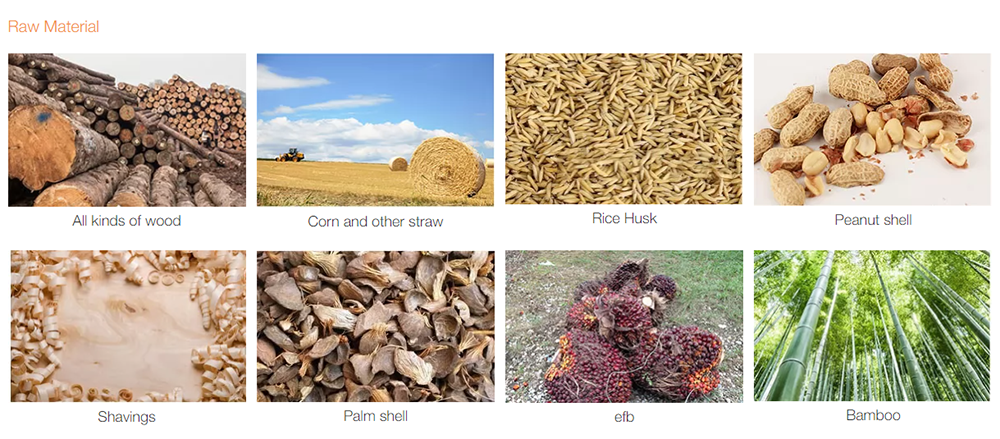
Raw materials are key for production. Pick local, abundant waste—like wood chips, sawdust, corn straw or rice husk—to save on transportation costs.
Check the raw material moisture. For pelleting, 10%-18% is best. If materials are too wet, use a dryer; if too dry, spray some water.
Work with raw material suppliers long-term to make sure supply is steady. Have a storage area to keep raw materials dry and stop mold.
3. Select Complete and Suitable Equipment
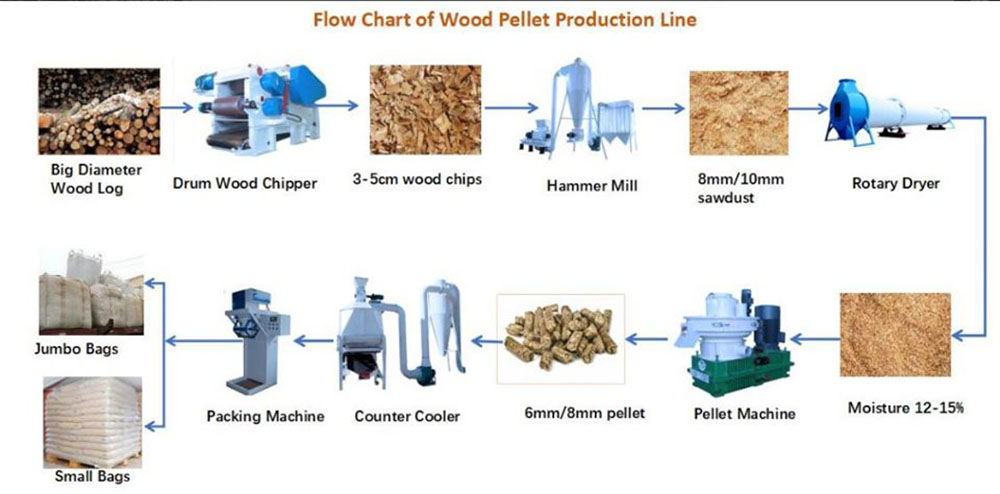
A full biomass pellet line needs core equipment: crusher, wood chipper, dryer, pellet machine, cooler, screener and packaging machine. Choose equipment based on your production scale and raw material type.
Shandong Bolida will design a customized production equipment solution for you free of charge based on your specific requirements.
Ensure equipment matches to avoid production bottlenecks. Choose reliable manufacturers with stable quality and after-sales service. Low-quality machines break down often and cost more.
4. Arrange Factory Site and Basic Conditions
Choose a factory site near raw material sources or transportation hubs to cut logistics costs.
The site needs enough space for equipment, raw materials, finished products and work areas.
Small-scale line: ≥50-100 ㎡; medium-scale line: 150-300 ㎡.
Ensure stable three-phase electricity and water supply.
Workshop: ventilated, dust-proof, with dust removal device (meet local environmental standards).
Factory away from residential areas; follow fire safety rules.
5. Complete Legal and Compliance Procedures
Complete legal procedures per local laws (business registration, environmental assessment).
Most regions require environmental approval for biomass processing (dust, noise meet standards).
Prepare documents in advance to avoid production delays.
6. Operation, Staff and Maintenance
Arrange trained operators who master equipment operation, daily inspection and simple troubleshooting.
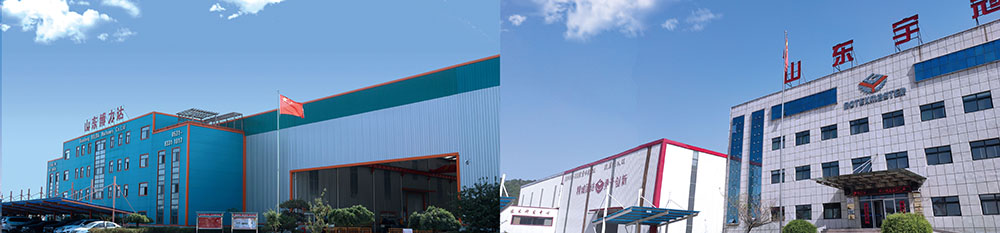
Shandong Bolida & Rotex offers comprehensive after-sales and pre-sales services. We design tailored production lines suitable for your practical situation. We follow up the whole project process, guarantee stable equipment performance and help customers save costs and increase profits, enjoying great reputation in biomass energy field.
Name: Christine
Mobile:+86-155 0868 1778
Tel:+86-0531-83658366
Email:info@rotexmaster.com
Add:Zhangqiu City,Shandong Province,China